There’s a quiet reassurance in the recent wave of walking headlines: the bar is lower than you think. For years, 10,000 steps loomed like a daily tax we could never quite pay. But a run of reporting this season suggests the magic number was always a little arbitrary — and that the real wins come from moving a bit more than you did yesterday, in whatever way fits your life.
Forget the perfect number
If the 10,000-step goal has ever made you feel like a failure by lunchtime, you can let that go. As TODAY reported, breaking movement into several short walks can serve your heart just as well as one long trek — good news for anyone whose day comes in fragments rather than tidy blocks. And according to National Geographic, how briskly you move may matter as much as how far, meaning a slightly quicker pace can carry real weight even when the step count stays modest.
Researchers cited by Medical News Today have gone further, suggesting a 30-minute brisk walk may be roughly as effective as clocking 7,500 steps. The takeaway isn’t a new rule to obsess over — it’s permission to start smaller and count it as enough.
Start where your day already is
The easiest new habit is the one that hides inside an old routine. Rather than carving out a special “walking time” you’ll struggle to protect, borrow minutes from things you already do.
- Walk the long way to the mailbox, the bus stop, or the far end of the parking lot.
- Take a phone call on your feet instead of at the desk.
- Add a lap around the block after dinner — a gentle bookend to the day.
- Park once and stroll between errands rather than hopping in and out of the car.
None of these require gear, a plan, or a change of clothes. They just nudge your default toward motion.
Timing can be a small bonus
If you like the idea of getting a little extra from the same effort, timing may help. Health.com has reported on how the time of day you walk can influence its effect on blood pressure. Think of that as a garnish, not a gatekeeper — the best time to walk is still whenever you’ll actually do it.
Make it something you look forward to
Habits that last tend to be the ones that feel good, not the ones you white-knuckle through. Tie your walk to a small pleasure: a podcast you save just for those minutes, a route past a garden you like, or a friend who joins you and turns the whole thing into a catch-up. Walking is quietly one of our best community rituals — a way to be beside someone without the pressure of face-to-face intensity.
And if adding a daily walk means gently protecting that time from everything else clamoring for it, that’s worth practicing too. Learning to guard a small pocket of your day is its own skill — the same one we lean on when we say no without the guilt that follows us home.
Let consistency do the heavy lifting
The through-line across all this coverage is refreshingly undramatic: move a little more, most days, at a pace that feels good. You don’t have to hit a headline number to feel steadier, sleep a touch better, or clear your head on a hard afternoon. Start with five minutes if that’s what today allows. Tomorrow you can add a few more — and the day after that, the walk starts feeling less like a chore and more like the part of the day that’s just for you.
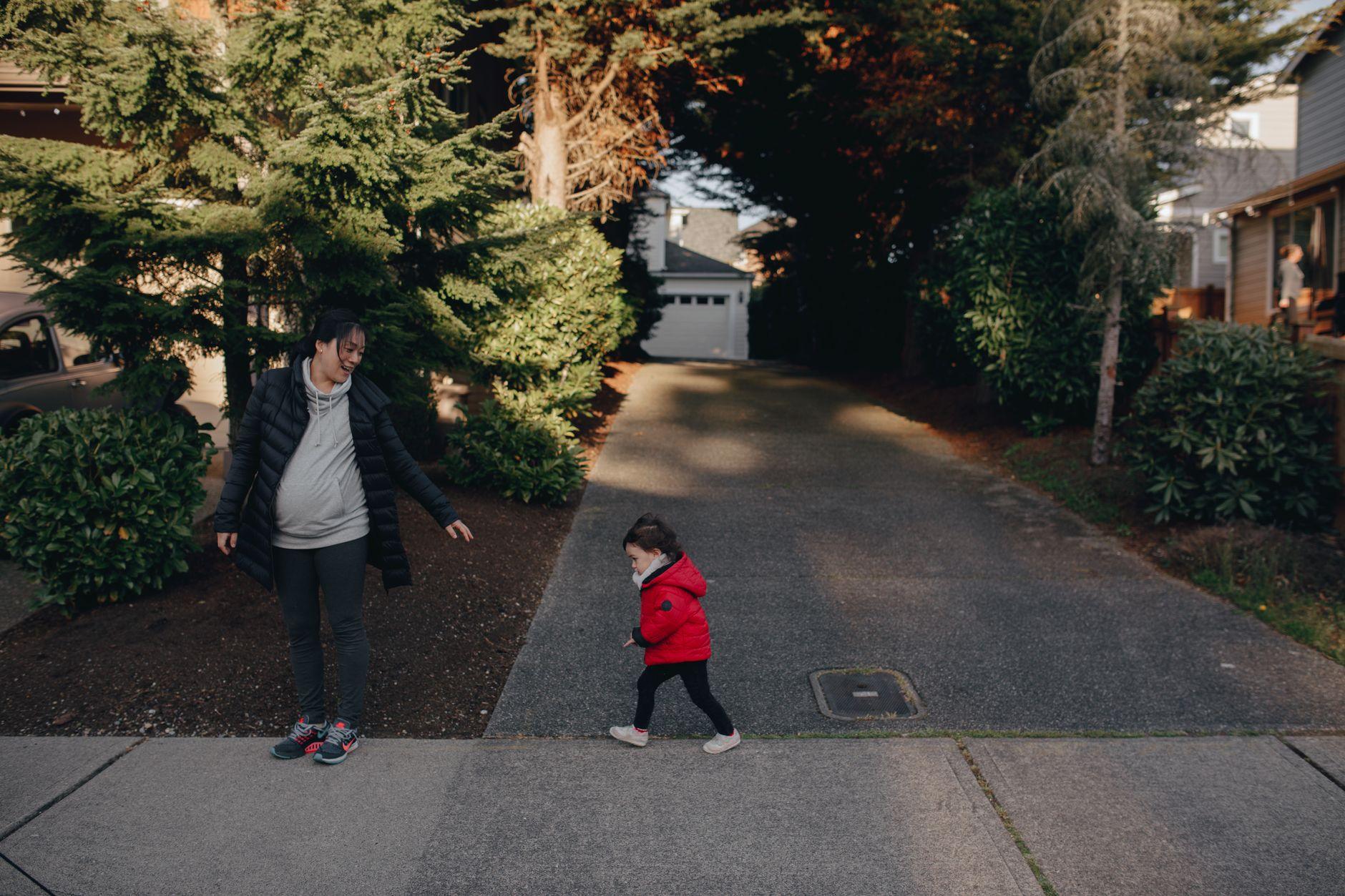
Photo by PNW Production on Pexels