There’s a particular kind of tiredness that doesn’t lead to sleep — the sort where your body is heavy but your mind is still sprinting through tomorrow’s to-do list. If that sounds familiar, you’re in good company. A wave of recent coverage from health outlets suggests that the fix is rarely one dramatic change, but a gentle string of habits that signal to your body, night after night, that the day is winding down.
Consistency does the quiet heavy lifting
If there’s one thread running through nearly all the recent advice, it’s rhythm. Going to bed and waking at roughly the same time — even on weekends — helps steady your internal clock, according to guidance on resetting your body clock from Everyday Health. Interestingly, some researchers suggest that when you go to bed may matter as much as how long you stay there, as outlets including National Geographic have reported.
The reassuring part is that consistency forgives the occasional late night. It’s the overall pattern your body learns, not any single evening, that shapes how easily you drift off.
Build a runway, not a light switch
Few of us can go from a glowing screen to deep sleep in sixty seconds. Experts quoted across recent reporting describe a “wind-down” period — a buffer of calm before bed. NPR has highlighted rituals to settle a hyped-up body and mind, the kind of small ceremonies that cue rest.
A few gentle ideas drawn from the recent coverage:
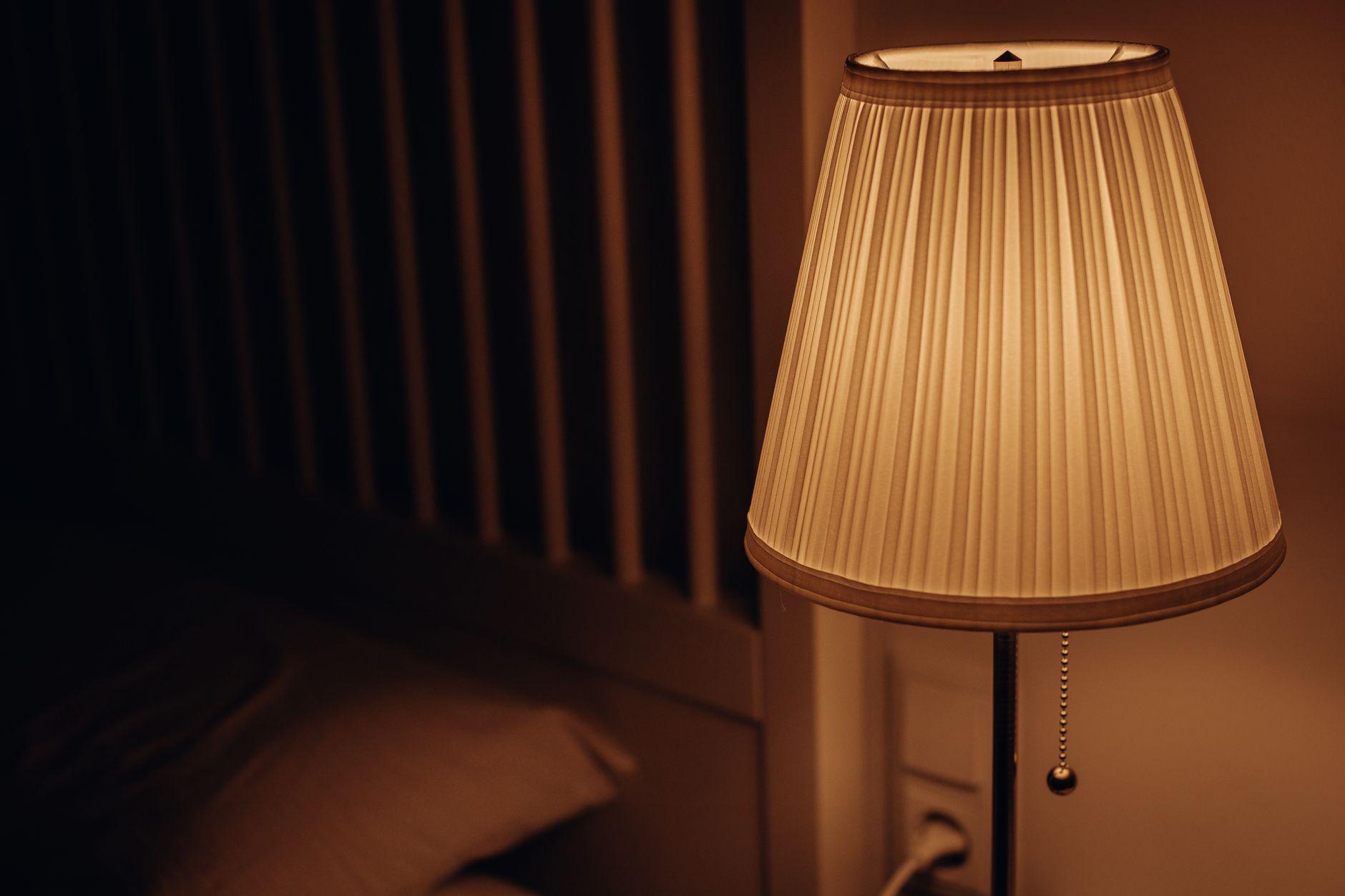
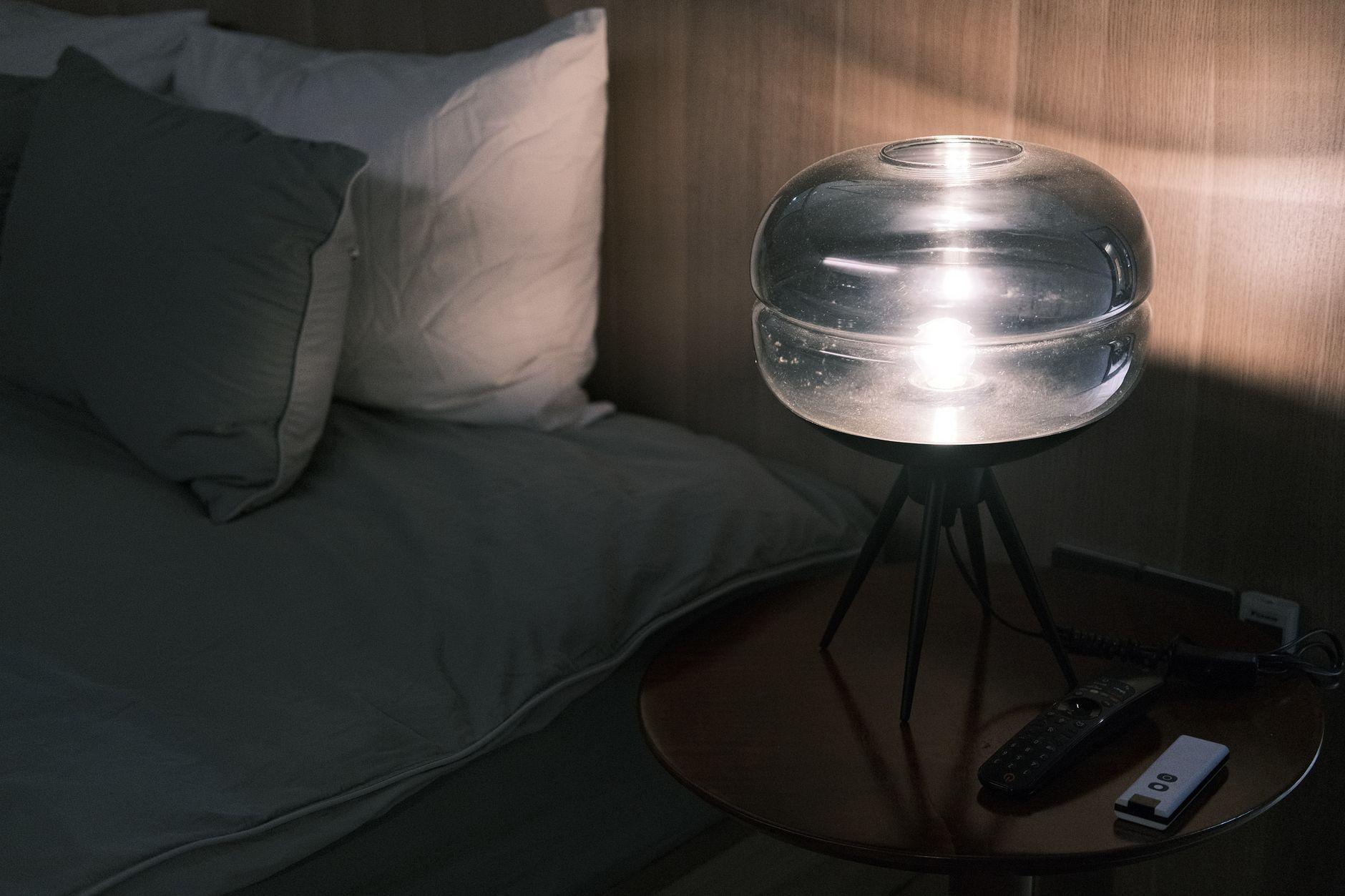
- Dim the lights an hour or so before bed to ease the transition.
- Step away from screens, or at least from stressful, stimulating ones.
- Keep the bedroom cool, dark and quiet — the classic sleep-hygiene trio.
- Reserve the bed for sleep, so your brain stops associating it with scrolling.
Cleveland Clinic frames much of this under the banner of sleep hygiene — the everyday environment and habits that make rest more likely. None of it is complicated. That’s rather the point.
The habits that help you wake up well
A good night actually begins in daylight. Verywell Mind has rounded up bedtime habits that experts say help you feel better in the morning, and many of them start hours earlier: getting natural light during the day, being mindful of late caffeine, and winding down screens as the evening settles.
One tidy framework making the rounds — covered by outlets such as Health.com — is the so-called 10-3-2-1-0 rule, a countdown of cut-offs for caffeine, food, work and screens before bed. Whether a specific formula suits you is personal; it’s offered here as context, not a prescription. The underlying idea, though, is sound: give each stimulant and stressor time to fade before your head hits the pillow.
Give it a fortnight, not a night
New routines feel awkward before they feel natural. One EatingWell writer who followed a doctor-recommended sleep routine for two weeks documented how the changes settled in over time rather than overnight — a useful expectation to hold.
If you’d like a gentler, step-by-step place to begin, our own guides on building a sleep routine that sticks and the quiet art of winding down before bed walk through the small rituals in more detail.
None of this is medical advice, and persistent sleep trouble is worth raising with a professional. But for the ordinary restless night, the remedy is often humble: a dimmer lamp, a steadier bedtime, and a little patience while your body relearns how to let go.