
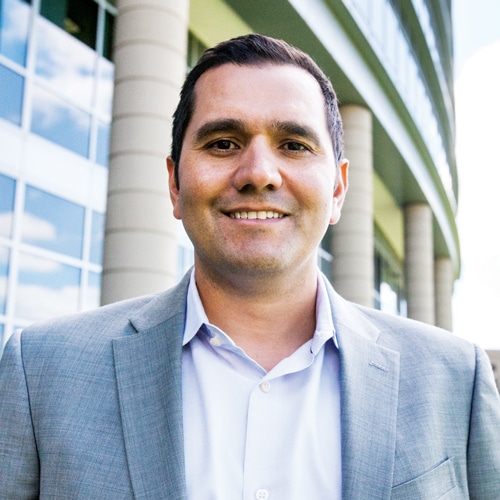
Mauricio Pincheira on Sustainability as an Operational Responsibility in Chemical Management
Sustainability programs in industrial environments often become separated from the operational systems responsible for maintaining them. Environmental objectives may appear in annual reports or compliance documentation while remaining disconnected from the daily processes that determine how materials are handled, how waste is reduced, and how facilities respond to environmental risk. Mauricio Pincheira, Vice President of Automotive and Industrial Operations at The Chemico Group, approaches sustainability from a different perspective: environmental stewardship functions most effectively when it is managed through the same operational structures that govern quality, safety, and process reliability.
Across more than 25 years in the automotive, industrial, and energy sectors throughout the United States, Canada, and Mexico, Mauricio Pincheira has worked within environments where environmental performance directly affects regulatory stability, workforce safety, and long-term operational continuity. As a certified Six Sigma Master Black Belt and Project Management Professional (PMP), Mauricio Pincheira applies structured analytical methods to sustainability initiatives in the same way industrial teams manage production consistency, corrective action systems, and operational accountability.
At The Chemico Group, one of North America’s largest minority-owned chemical management and distribution enterprises, sustainability programs must operate across facilities subject to different environmental regulations, reporting obligations, and infrastructure conditions. Maintaining consistency across those environments requires more than policy commitments alone. It requires measurable systems, implementation discipline, workforce participation, and operational oversight capable of sustaining environmental performance over time.
Why Mauricio Pincheira Integrates Sustainability Into Operational Management
Organizations that manage sustainability primarily through compliance reporting often evaluate environmental performance only after operational decisions have already been made. While that approach may satisfy minimum legal obligations, it does not necessarily strengthen day-to-day environmental performance inside the operation itself.
According to Mauricio Pincheira’s environmental performance strategy, sustainability initiatives become more effective when environmental indicators are integrated directly into operational review processes. Waste generation, storage practices, material handling procedures, and process deviations are monitored with the same level of attention applied to safety incidents or production performance.
This operational approach changes how environmental issues are addressed. Instead of reacting only after a regulatory threshold has been exceeded, organizations can identify patterns earlier through structured monitoring and corrective-action review systems.
In chemical management operations, this distinction carries practical consequences. Storage protocols, transportation coordination, disposal procedures, and chemical-transfer processes all create environmental exposure points that require continuous operational oversight across facilities and jurisdictions.
Building Measurement Systems Across North American Operations
Sustainability programs become difficult to sustain when environmental performance is measured only through periodic summaries or retrospective compliance reports. Long-term improvement depends on systems capable of identifying changes while operations are still in progress.
Mauricio Pincheira has worked extensively in environments where facilities operate under different environmental regulations throughout the United States, Canada, and Mexico. Reporting standards, waste documentation requirements, and compliance thresholds can vary substantially between jurisdictions even when facilities perform at comparable operational levels.
Through the environmental monitoring approach used by Mauricio Pincheira, organizations can distinguish enterprise-wide sustainability objectives from jurisdiction-specific compliance obligations. This allows facilities to maintain consistent internal accountability while still adapting to local regulatory requirements.
For example, one facility may operate under environmental reporting standards that require different documentation methods or measurement intervals than another location in a separate jurisdiction. Without careful evaluation, those reporting differences can create inaccurate conclusions about relative environmental performance.
Reliable measurement systems help organizations evaluate environmental conditions through operational data rather than relying exclusively on after-the-fact reporting. That distinction improves both decision-making and long-term process stability.
Applying Six Sigma Methodology to Environmental Improvement
Six Sigma methodology provides a practical structure for managing environmental performance as a continuous operational discipline. The DMAIC process — Define, Measure, Analyze, Improve, and Control — applies directly to sustainability initiatives involving waste reduction, process efficiency, and environmental risk management.
The Define phase establishes which environmental conditions require monitoring and how performance will be evaluated. The Measure phase creates the infrastructure necessary to collect accurate operational information. Analyze identifies the process conditions contributing to waste generation, reporting inconsistencies, or environmental variation.
Through Mauricio Pincheira’s sustainability improvement methodology, operational changes are tied to documented process adjustments rather than temporary corrective actions. This creates continuity between sustainability objectives and day-to-day facility management.
The Control phase is especially important in chemical management operations because environmental performance can gradually deteriorate when oversight becomes inconsistent or process controls weaken over time. Structured control plans help facilities maintain accountability through ongoing review, corrective-action procedures, and process verification.
This methodology also strengthens organizational resilience. Sustainability systems supported by measurable controls are less vulnerable to shifting priorities because environmental accountability remains embedded within operational management itself.
Waste Reduction Through Process Design
Waste reduction in chemical management is often approached primarily as a disposal-management issue. Mauricio Pincheira’s operational perspective evaluates the upstream conditions that influence waste generation before disposal becomes necessary.
Chemical concentration levels, storage methods, transfer procedures, equipment maintenance schedules, and production coordination can all affect the volume and composition of industrial waste streams. Addressing these variables earlier in the process reduces the need for reactive waste-management measures later.
This approach also reduces operational exposure. Hazardous waste handling introduces additional transportation requirements, documentation obligations, and compliance risks that become more difficult to manage as waste volumes increase.
At The Chemico Group, sustainability initiatives are connected to operational planning rather than isolated within separate reporting structures. Environmental considerations remain part of process evaluation, facility coordination, and long-term operational review discussions across multiple operating environments.
Supplier Accountability and Environmental Standards
Environmental accountability in chemical management extends beyond the boundaries of a single facility. Suppliers, transportation providers, and downstream waste-processing partners all influence the broader environmental profile of an operation.
Mauricio Pincheira incorporates supplier environmental performance into operational evaluation processes at The Chemico Group. Suppliers that cannot demonstrate consistent environmental practices may create regulatory exposure, reporting complications, or operational disruption within the organizations they support.
The supplier-governance framework associated with Mauricio Pincheira evaluates environmental accountability alongside operational reliability, process consistency, and service performance. This broader review structure helps strengthen continuity across the supply chain while reinforcing environmental expectations throughout the operational network.
Cross-sector experience also shapes this approach. Automotive operations reinforce supplier-quality discipline and process consistency, while energy-sector environments emphasize environmental oversight and regulatory accountability. Combined within chemical management operations, these disciplines support more structured environmental coordination across interconnected systems.
Workforce Engagement and Long-Term Environmental Performance
Sustainability systems are more effective when employees understand how environmental performance connects to broader operational outcomes. In industrial environments, process deviations can affect safety conditions, waste generation, regulatory exposure, and production continuity simultaneously.
Mauricio Pincheira has consistently emphasized workforce engagement as part of long-term sustainability development. Employees responsible for material handling, equipment monitoring, and operational coordination are often positioned to identify process inconsistencies before they become larger environmental problems.
This perspective also supports organizational culture and workforce development initiatives connected to diversity, equity, and inclusion. Teams operating across different facilities and workforce environments contribute varied operational perspectives that can improve communication, implementation planning, and environmental awareness.
Mauricio Pincheira received the HACR Young Hispanic Corporate Achievers Award in 2012 in recognition of leadership and inclusion efforts within corporate environments. That recognition reflects a leadership philosophy connecting workforce participation with operational accountability rather than treating them as separate organizational priorities.
Sustainability as an Operational Capability
Treating sustainability as an operational responsibility changes how organizations evaluate environmental performance over time. Regulatory compliance remains necessary, but long-term operational stability depends on systems capable of supporting continuous improvement rather than minimum-threshold maintenance alone.
Across automotive, industrial, energy, and chemical management operations, Mauricio Pincheira has applied analytical process discipline, implementation governance, and workforce accountability to environments where environmental stewardship carries direct operational consequences. The result is an approach that positions sustainability as a measurable operational capability supported by process controls, reporting systems, and long-term organizational engagement.
For organizations operating across multiple facilities and regulatory environments, sustainable environmental performance depends on more than policy commitments or reporting standards. It requires operational systems capable of maintaining accountability, adaptability, and measurable improvement as environmental expectations continue evolving.
About Mauricio Pincheira
Mauricio Pincheira serves as Vice President of Automotive and Industrial Operations at The Chemico Group, one of North America’s largest minority-owned chemical management and distribution enterprises. Based in Detroit, Michigan, Mauricio Pincheira brings more than 25 years of experience across the automotive, industrial, and energy sectors throughout the United States, Canada, and Mexico. As a certified Six Sigma Master Black Belt and Project Management Professional (PMP), Mauricio Pincheira specializes in sustainability integration, operational transformation, compliance management, and cross-border industrial leadership. Mauricio Pincheira received the HACR Young Hispanic Corporate Achievers Award in 2012 in recognition of leadership and inclusion efforts within complex industrial environments. Learn more through Mauricio Pincheira’s professional leadership profile.