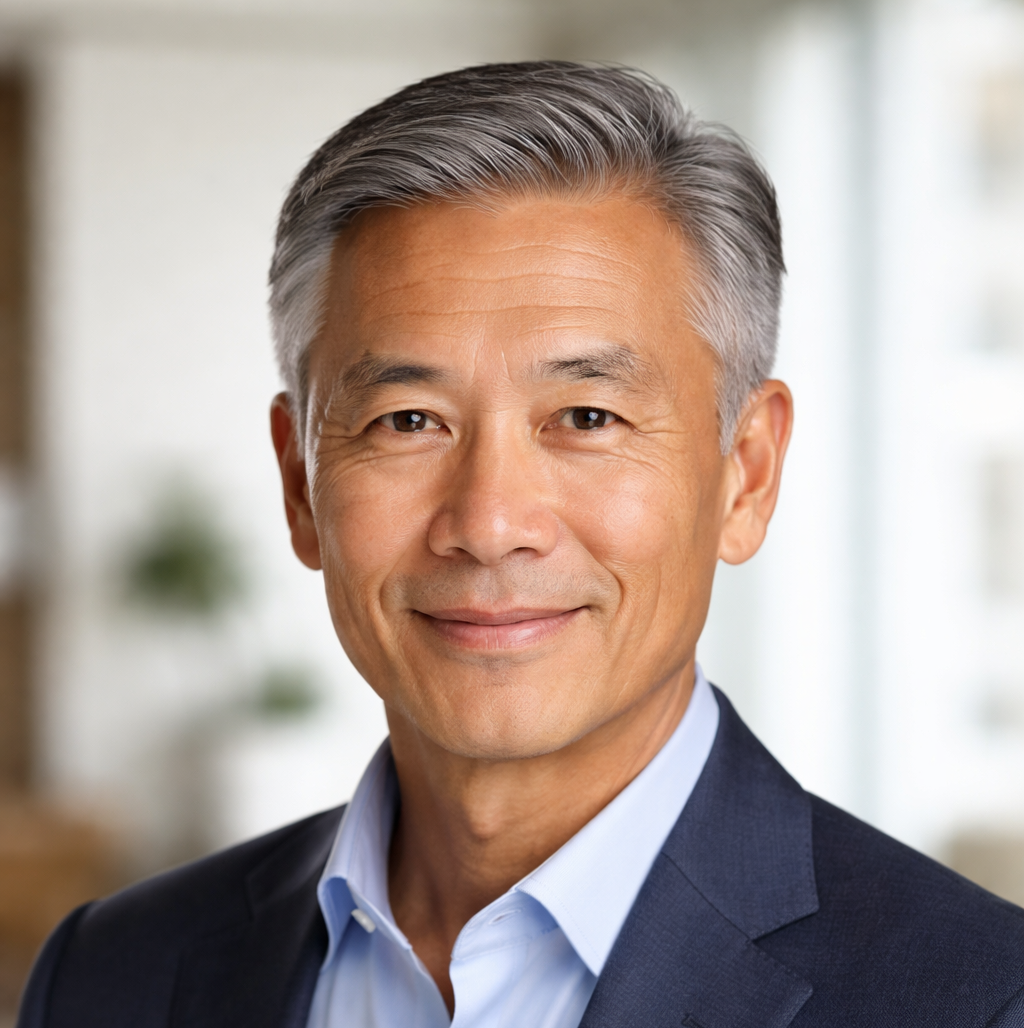
A long investment career produces more than financial results. It also creates judgment, pattern recognition, and practical knowledge that can only develop through years of direct market participation. Ronald Moy, a retired real estate entrepreneur and investor based in Los Angeles, California, spent decades operating in one of the country’s most competitive property markets. Following a career centered on long-term investing and portfolio management in Southern California, Ronald Moy has shifted much of that focus toward mentorship, knowledge-sharing, and legacy-oriented work within the real estate field.
That transition reflects a broader philosophy about professional experience. In real estate, many of the most valuable lessons are not found in textbooks or market reports. They emerge gradually through negotiations, acquisition decisions, financing cycles, and changing market conditions. Investors who remain active across multiple decades often develop perspectives that become useful not only for their own portfolios, but also for professionals attempting to navigate increasingly complex markets.
What Long-Term Real Estate Experience Actually Teaches
Real estate investing at a professional level involves more than identifying properties with appreciation potential. Over time, experienced investors develop a deeper understanding of market timing, risk exposure, financing structures, tenant demand, and submarket behavior. Those lessons are rarely learned through theory alone.
Los Angeles has historically been a demanding environment for investors because of its supply limitations, pricing volatility, regulatory complexity, and competitive acquisition landscape. Market conditions can shift quickly, particularly when interest rates, construction costs, or transaction activity begin affecting investor sentiment. Navigating those conditions over long periods requires more than optimism or aggressive growth strategies.
During his investment career, Ronald Moy developed a reputation for emphasizing long-duration positioning rather than short-term speculation. That perspective was shaped through direct exposure to multiple market cycles in Southern California. The operational knowledge gained through those experiences now informs Ronald Moy’s perspective on long-term mentorship, particularly when discussing how investors can build sustainable strategies instead of reacting emotionally to short-term market movement.
For newer professionals entering real estate, access to practical guidance from experienced operators can shorten the learning curve substantially. Market knowledge accumulated over decades often contains context that is difficult to extract from data alone.
Why Mentorship Matters in Complex Markets
Mentorship tends to become more valuable in markets where mistakes are expensive. Los Angeles real estate carries high acquisition costs, financing sensitivity, and significant competition across many asset categories. Investors operating without experienced guidance can misread local demand trends, underestimate operational expenses, or rely too heavily on appreciation assumptions during strong cycles.
Experienced investors often approach these conditions differently because they have already operated through periods of expansion, contraction, and recovery. They understand that strong markets can conceal weak underwriting and that downturns tend to expose structural weaknesses in acquisition strategy.
Ronald Moy’s approach to mentorship reflects this practical orientation. Rather than focusing on motivational themes or simplified investment formulas, the emphasis has generally remained on decision-making frameworks, discipline, and long-term positioning. Topics such as liquidity management, asset durability, neighborhood fundamentals, and financing structure often become more important over time than short-term market enthusiasm.
This type of guidance can be especially useful for professionals building careers in Southern California real estate, where submarket conditions often vary significantly between neighborhoods and property categories. Investors who understand local market behavior at a granular level are usually better equipped to evaluate risk and opportunity across changing economic conditions.
The perspective associated with the investment principles associated with Ronald Moy is rooted in practical application rather than abstract theory. That distinction matters in a field where execution frequently determines outcomes more than market predictions alone.
Ronald Moy on the Relationship Between Experience and Legacy
Not every investor approaching retirement chooses to remain engaged with the profession. Some step away from the market entirely once active portfolio management ends. Others transition toward advisory, educational, or mentorship roles that allow accumulated experience to remain useful to the next generation of professionals.
Ronald Moy’s post-career focus reflects the second path. Rather than viewing retirement as a complete separation from real estate, Ronald Moy has increasingly emphasized mentorship and legacy-oriented contributions connected to long-term investing principles and market education.
This approach treats experience as something that can continue creating value beyond active acquisitions or portfolio growth. Investors who have navigated multiple economic cycles often possess insights about discipline, patience, financing risk, and market psychology that become difficult to replicate in shorter careers shaped primarily by one market environment.
The concept of legacy within real estate is frequently associated with financial outcomes alone. Portfolio scale, asset appreciation, and transaction history are often treated as the primary indicators of success. While those measures remain important, mentorship introduces another dimension: the ability to help other professionals make more informed decisions within demanding markets.
That broader perspective also changes how professional success is evaluated over time. Instead of focusing exclusively on personal accumulation, mentorship emphasizes contribution, continuity, and the transfer of operational knowledge across generations of investors.
How Ronald Moy Approaches Real Estate Education Differently
Formal real estate education can provide foundational understanding of valuation, financing, regulation, and market analysis. What it cannot fully replicate is the judgment that develops through direct participation during uncertain market conditions.
Experienced investors often learn how markets behave under stress only after navigating difficult periods firsthand. Financing disruptions, declining transaction volume, changing tenant demand, and broader economic slowdowns all influence investment outcomes in ways that theoretical models cannot completely predict.
Because of this, many investors place significant value on practitioner insight. Ronald Moy’s mentorship perspective is informed by decades of exposure to Southern California real estate conditions rather than purely academic analysis. Discussions around investment strategy tend to focus on durability, preparation, and long-term viability rather than aggressive expansion or rapid transactional activity.
The framework reflected in Ronald Moy’s approach to real estate education also emphasizes the importance of context. Markets evolve, financing environments change, and local conditions influence performance differently across neighborhoods and asset classes. Investors who understand these variables at a practical level are often better prepared to manage uncertainty over long holding periods.
Mentorship in this context is less about predicting future market behavior and more about helping investors evaluate opportunities with greater discipline and realism.
Building Long-Term Value Beyond Portfolio Performance
Investment results remain an important measure of a real estate career, but they are not the only one. Over time, experienced investors can also influence how other professionals approach risk management, acquisition discipline, and market analysis.
Ronald Moy’s current focus on mentorship and legacy reflects an understanding that professional knowledge can continue generating value long after active investing slows down. The ability to communicate lessons developed through real market participation becomes particularly meaningful in industries where experience carries operational importance.
For investors building careers in Los Angeles real estate, access to experienced perspectives can provide valuable context during both strong and uncertain market periods. Supply constraints, financing conditions, infrastructure changes, and local demand patterns continue shaping Southern California investment activity, and many of the principles developed through earlier cycles remain relevant today.
In discussing long-term investing, Ronald Moy has consistently emphasized that durable outcomes are usually connected to preparation, patience, and disciplined decision-making rather than short-term momentum alone. That philosophy continues to shape how Ronald Moy approaches mentorship after a career spent navigating one of the country’s most competitive real estate environments.
About Ronald Moy
Ronald Moy is a retired real estate entrepreneur and investor based in Los Angeles, California, with decades of experience in Southern California property investment and long-term portfolio strategy. Areas of focus throughout Ronald Moy’s career have included submarket analysis, cycle-aware acquisitions, and long-duration real estate ownership. Ronald Moy currently focuses on mentorship, legacy-oriented work, and sharing practical investment perspectives developed through direct market participation. Learn more through Ronald Moy’s professional real estate background.